Is TRT Steroids? Understanding Testosterone Replacement Therapy
Many people wonder if TRT (Testosterone Replacement Therapy) is the same as taking anabolic steroids. The answer depends on how you define steroids and their purpose. While testosterone itself is a steroid hormone, TRT is a medically supervised therapy designed to restore normal hormone levels in men experiencing low testosterone, often due to aging, illness, or hormone disorders.
If you’re unfamiliar with steroid basics, start by reading What Are Steroids?
What Is TRT?
Medical Purpose of TRT
TRT is prescribed for men with clinically low testosterone levels. Low testosterone can cause symptoms such as:
- Fatigue
- Low libido
- Muscle weakness
- Mood changes
- Cognitive decline
TRT replaces the missing hormone to bring levels back into a healthy range. Unlike anabolic steroid abuse, TRT aims to maintain natural hormone balance, not to boost muscle beyond normal limits
Forms of TRT
Testosterone replacement can be administered via:
- Injections
- Topical gels or creams
- Patches
- Implantable pellets
Doctors determine the appropriate form and dosage based on individual needs and blood tests.
Is Testosterone a Steroid?
Steroid Classification
Testosterone is an endogenous steroid hormone, naturally produced in the testes in men and ovaries in women. It belongs to the class of androgenic-anabolic steroids, which are responsible for male sexual development, muscle growth, and bone density.
- Endogenous: naturally occurring in the body
- Exogenous: administered externally, such as TRT or anabolic steroid use
For a complete explanation of steroid types, see Exploring the Various Types of Steroids.
Key Differences
TRT vs Anabolic Steroid Use
While both TRT and anabolic steroids involve testosterone or derivatives, there are important distinctions:
Feature | TRT | Anabolic Steroids (Abuse) |
Goal | Restore normal testosterone levels | Enhance muscle, strength, or performance beyond natural limits |
Supervision | Medical supervision with blood tests | Often unsupervised or self-administered |
Dosage | Physiologic dose (normal range) | Supra-physiologic dose (above normal range) |
Safety | Monitored to minimize side effects | Higher risk of hormonal and organ damage |
➡️ For a deep dive into testosterone’s role, see Testosterone: The Ultimate Guide to the King of Steroids.
What TRT Does to the Body
When administered correctly, TRT can:
- Restore energy and vitality
- Improve sexual function
- Increase lean muscle mass (modestly)
- Improve bone density
- Enhance mood and cognitive function
Unlike anabolic steroid abuse, TRT does not aim to produce extreme muscle growth. It seeks to restore natural balance and overall health.
Potential Risks of TRT
Even with medical supervision, TRT has some risks:
- Polycythemia (elevated red blood cell count)
- Acne or skin changes
- Hormonal suppression if misused
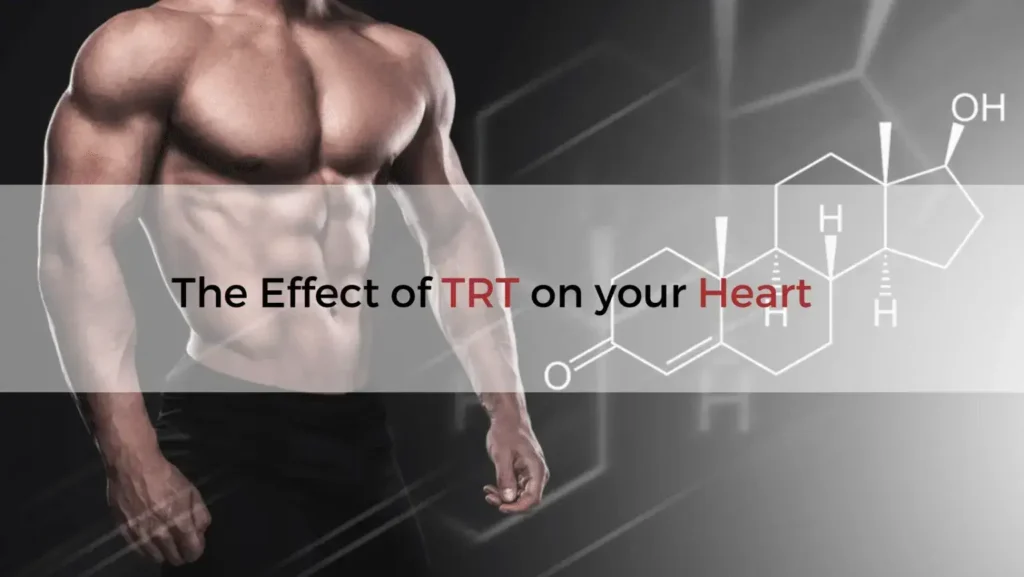
- Possible cardiovascular effects
Regular monitoring and blood tests are critical to ensure safety.
TRT and Lifestyle
TRT is most effective when combined with:
- Proper diet and protein intake
- Resistance training
- Adequate sleep
- Stress management
These factors help maximize the therapy’s benefits and minimize risks.

Final Thoughts
TRT is not the same as steroid abuse. While testosterone is a steroid, TRT is a medically supervised treatment designed to restore hormone balance, improve energy, and maintain overall health. Understanding this distinction is important for anyone researching hormones or considering therapy.